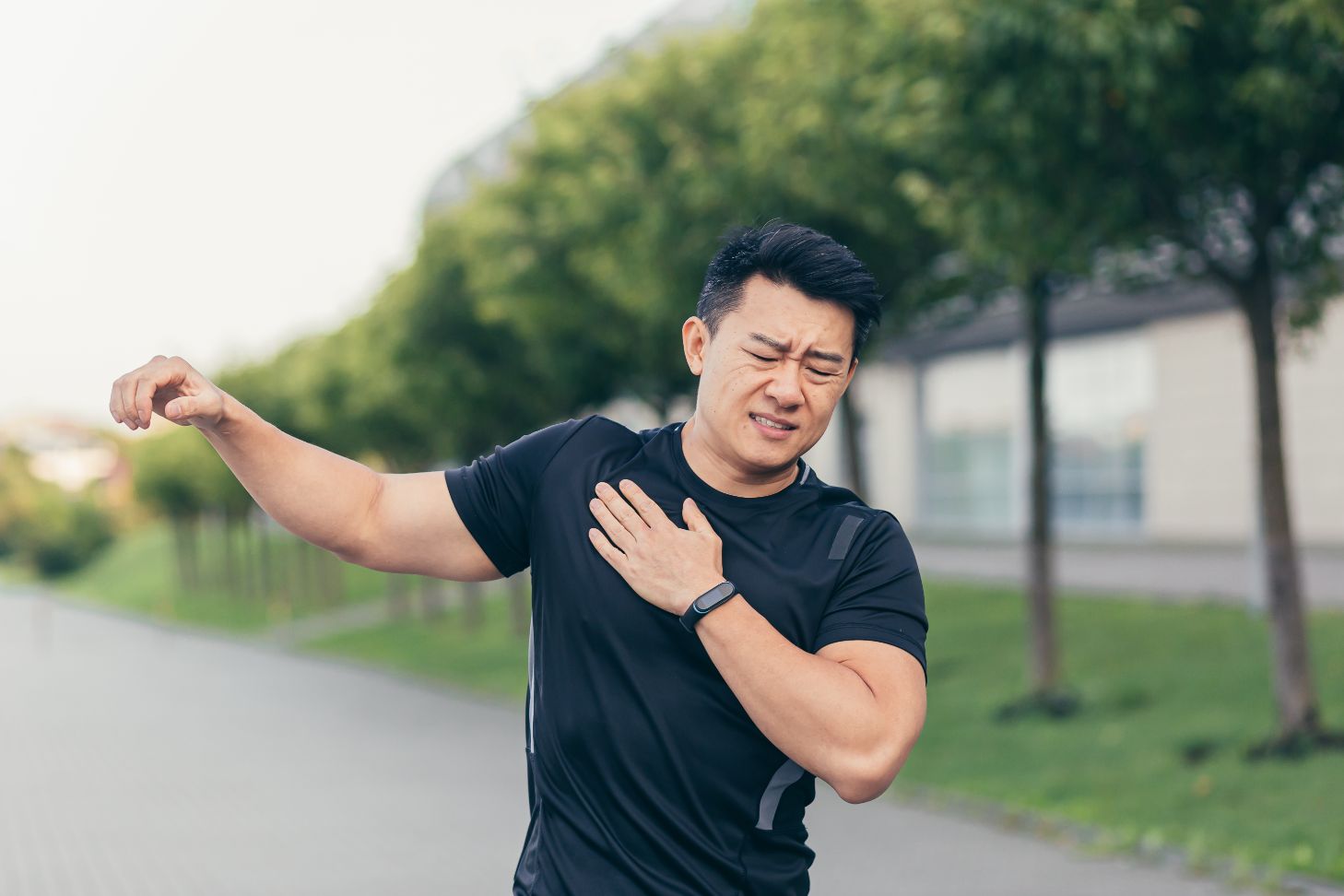
A little soreness after a workout is normal for most people, but sometimes it can feel like your whole body and all of your muscles are aching. Whether your muscle soreness is from a day of hiking or an intense exercise session at the gym there are ways to treat it.
Most common muscle pain is caused by a physical activity or exercise that uses different muscles than those you typically use such as playing tennis on a hard court or running more distance than usual when training for a marathon. This can cause the muscles to be tight and achy for 12-24 hours afterward. Muscle aches also can be from doing something that’s new to you, such as lifting heavy weights for the first time or trying a new fitness class.
The good news is that most types of muscle ache aren’t serious and will clear up on their own. If you experience extreme muscle soreness, especially if it is accompanied by other symptoms such as breathing difficulty, high fever, or weakness, see a doctor for muscle pain right away.
There are a variety of treatments that can help ease muscle aches, from simple at home self-care to more involved therapies such as physical therapy or massage. For example, cold compresses and heat pads can be helpful and you may want to try alternating between the two to soothe the muscle. You can also get a trigger-point massage to relax very tight and sore muscles.
You can also take over-the-counter pain relievers such as acetaminophen (Tylenol) or ibuprofen to reduce your discomfort. Your healthcare team can recommend other therapies, such as a light therapeutic massage or at-home muscle stimulators (TENS or stim). But keep in mind that some of these methods should be done only with the permission and supervision of your healthcare provider.
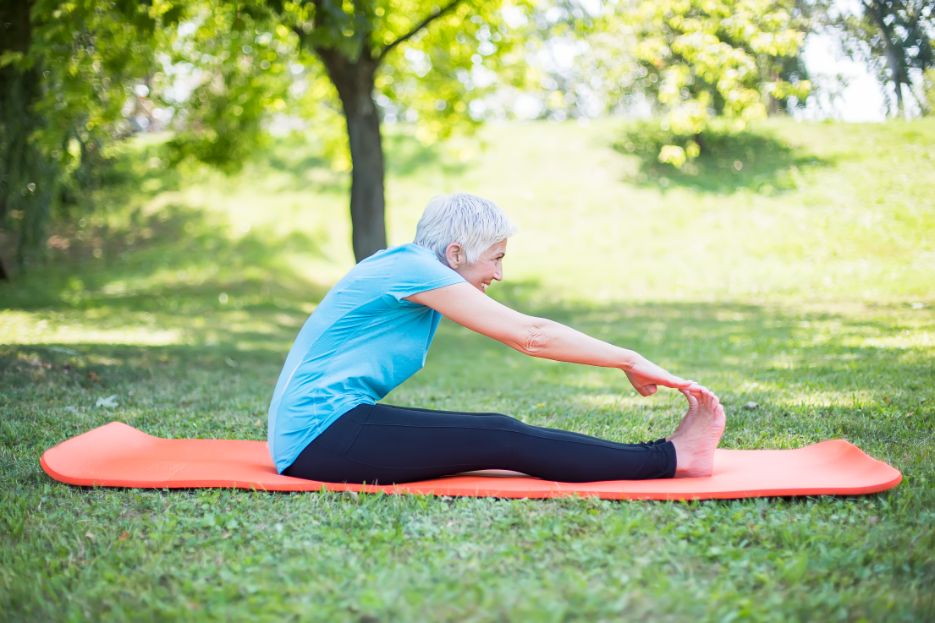
Getting enough rest can help to heal your sore muscles, but don’t be tempted to kick back and spend all day on the couch. You need to move around to keep the muscles in your body lubricated and to bring blood to areas that don’t usually get it says Schroeder. Try some gentle movement exercises such as restorative yoga or swimming.
If you do have a serious muscle injury such as a strained or pulled muscle, your healthcare team will likely advise that you wrap the injured area to decrease swelling and bruising, and you should elevate it above your heart when possible to reduce aches, which helps with circulation. Using ice packs and anti-inflammatory medications can also help to reduce discomfort.
Almost everyone experiences a sore muscle now and then, but you can keep sore muscles at bay by taking steps to protect your joints and muscles and following an exercise program that gradually increases intensity and duration over time. If you notice your sore muscles get worse after a workout, it’s a sign that you need to slow down on the intensity and length of your workouts.