Pilates is an effective low-impact workout that strengthens muscles, tendons and joints while improving posture and balance. The practice’s flexibility-boosting techniques can benefit athletes of all levels from beginners to those recovering from injuries.
These six beginner-friendly Mind And Motion Pilates exercises can help you build flexibility without any extra equipment. Try them at home to see if they can enhance your strength and mobility.
1. Roll Up
The Roll Up is a foundational Pilates exercise. It promotes articulation of the spine, increases the back’s flexibility, and builds abdominal strength.
For many individuals though, the Roll Up is challenging. They may find that their feet fly up off the mat when they reach for their toes, or that they have a hard time keeping a round shape in their lower spine.
Both of these issues can be caused by tight hip muscles and a weak core. A personal trainer or physical therapist can help identify the cause and offer solutions.
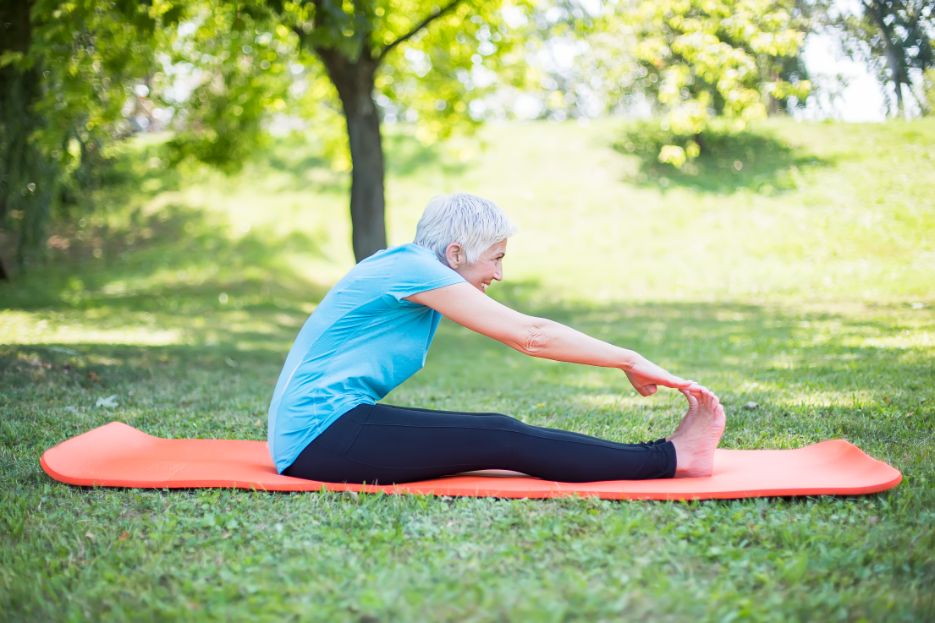
2. Spine Stretch
For those with a tight back, the spine stretch forward is an excellent stretching exercise that also strengthens your abdominal muscles. It’s a great way to begin your workout routine or use at the end of your Pilates session for a deep back and hamstring stretch.
It’s important to avoid flattening your torso towards the mat. Flexible individuals may find it easy to do this, but it removes the effectiveness of this exercise. This exercise is designed to work your C curve by scooping out the lower belly, drawing the ribs in, then rounding up through the middle and upper back and finally stretching the head and neck.
3. Single Leg Lift
Unlike its two-legged namesake, the single leg lift works all of the same muscles as the deadlift but places less strain on your spine. Keep your back FLAT and your hips squared to the front of your mat while lifting one leg until it’s in a flexed position at the knee and about 12 inches off the floor.
Avoid raising the leg too high as this can strain your lower back and obliques. Then slowly and carefully lower the leg back to the floor, elongating the body with your breath. Repeat for the desired number of reps. Aim for 20 to 30 reps per side.
4. One-Legged Circle
The Single Leg Circle is an exercise that challenges the rotatory control of the pelvis and spine. It also helps to strengthen the upper legs & arms.
The basic form of this exercise is lying down, arms long by the sides with one leg up toward the ceiling as straight as possible. This movement will engage the Obliques on the front and Back rotators on the opposite side of the back.
This is an important foundation exercise for advanced moves like Rolling Like a Ball and the Advanced version of this movement – the Advanced Leg Circle with a Twist. This more advanced movement requires even more strength, coordination and stability from the abdominals & back to maintain connection through the entire body.
5. Double Leg Lift
Whether you’re just starting out with Pilates or want to get back to your roots, these beginner-friendly movements can help strengthen your core and improve posture. This short workout also builds strength in the abdomen and hips, and even helps with pelvic stability.
Lie face-up, with your arms by the sides of the body, and bend both knees to bring them towards your chest, stacking them over your hips. Exhale to lift your legs up in an arc, lengthening the right leg about a foot off the ground. Return to the tabletop position and repeat 6 times on each side. This exercise will target the obliques and inner thighs, as well as the small stabilizing muscles in your hips.
6. Squats
The squat is an excellent muscle-building exercise that helps sculpt the buttocks and prevent fat accumulation in these areas. Depending on their level of flexibility, some individuals can squat to a depth that brings their thighs parallel to the floor while keeping their back and neck in a neutral position.
If you can’t squat to this level, try performing single-leg box squats by placing one leg on a bench or chair behind you. This challenging movement works the quads, hamstrings and glutes in a different way. It also challenges stability and balance. This move can also help to relieve tight hip muscles.